


-

Add: HeBei ShengShi HongBang Cellulose Technology CO.,LTD.
-

Email
13180486930@163.com -

CONTACT US
+86 13180486930
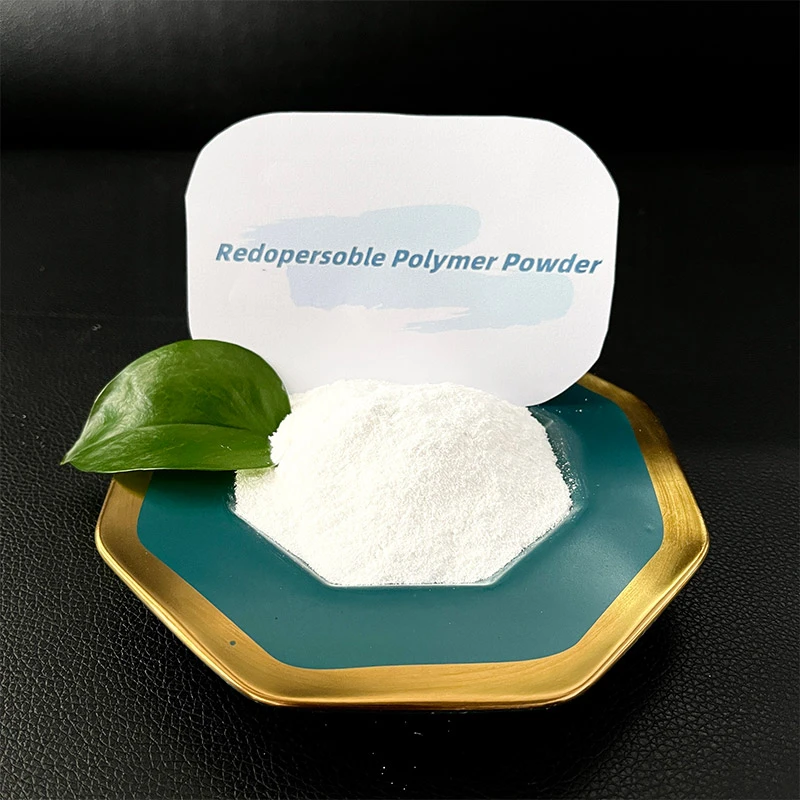
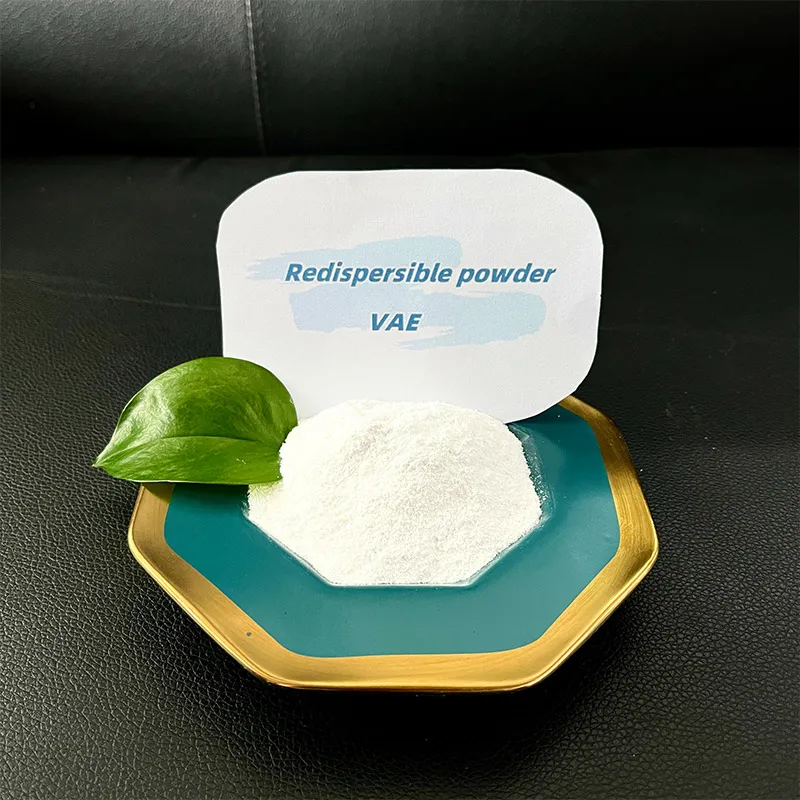
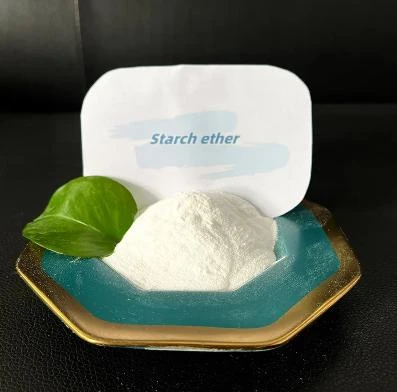



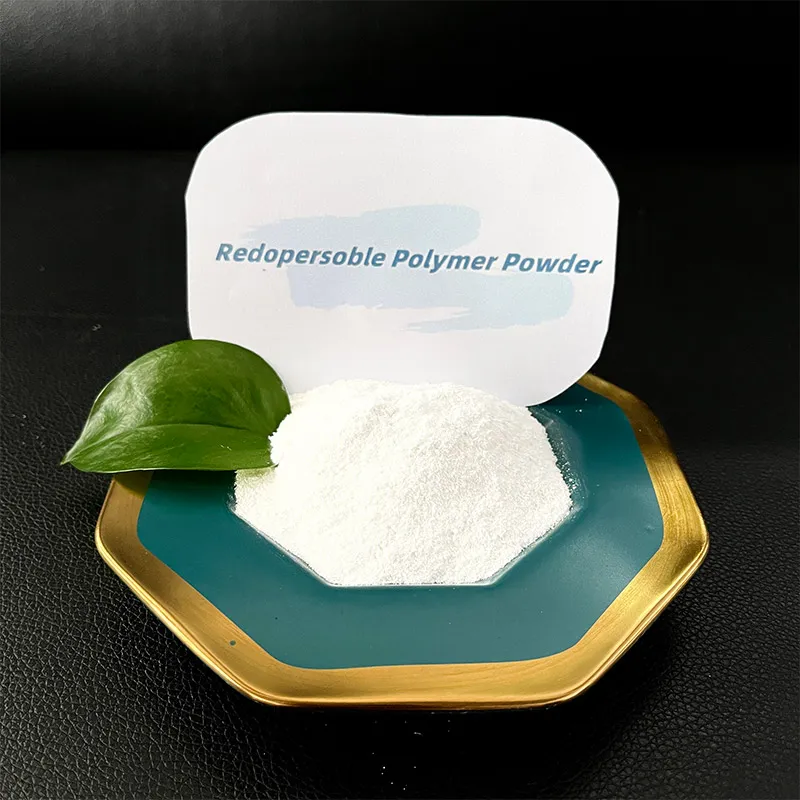
Detail Re-dispersible polymer powder products are a significant innovation in the realm of construction and industrial applications, offering versatile solutions due to their unique properties and capabilities. These powders are primarily water-soluble and can be categorized into various types depending on their chemical composition, including ethylene/vinyl acetate copolymers, vinyl acetate/ethylene terephthalate copolymers, and acrylic acid copolymers. Each type of copolymer offers distinct characteristics that cater to a range of uses in different industries, from adhesives to coatings, thereby expanding the potential for application in various construction materials. This versatility is crucial in meeting the increasing demands for advanced materials that facilitate improved performance and durability in everyday products. The manufacturing process of re-dispersible polymer powders involves spray-drying techniques, which lead to the formation of fine powder particles that are conducive for handling and processing. Importantly, these powders are protected by polyvinyl alcohol during production, ensuring that they maintain their integrity until they are ready to be re-dispersed. When these re-dispersible powders come into contact with water, they demonstrate an exceptional capability to quickly revert to a liquid state, allowing for ease of use in various applications. This characteristic is particularly valuable in environments where time efficiency is essential, as it allows contractors and industry professionals to work seamlessly with materials without prolonged waiting periods for mixing or activation. Features The wide-ranging applications of re-dispersible polymer powders are further enhanced by their superior performance attributes. Their high adhesive capacity makes them ideal for use in construction adhesives, tile adhesives, and various bonding agents, providing strong, reliable connections in building materials. Additionally, the inherent water resistance of these polymer powders offers protection against moisture infiltration, which is essential for maintaining the longevity and durability of structures. The thermal insulation properties also contribute to energy efficiency in buildings, making them a popular choice among architects and engineers focused on sustainable design solutions. As industries continue to seek out innovative materials to improve product quality and performance, the role of re-dispersible polymer powders will likely grow even more pronounced, highlighting their importance in both present and future applications. Type Of Shipping
- 40000tons

Production
- 20+years

Experience
- 5000+㎡

Acreage

-

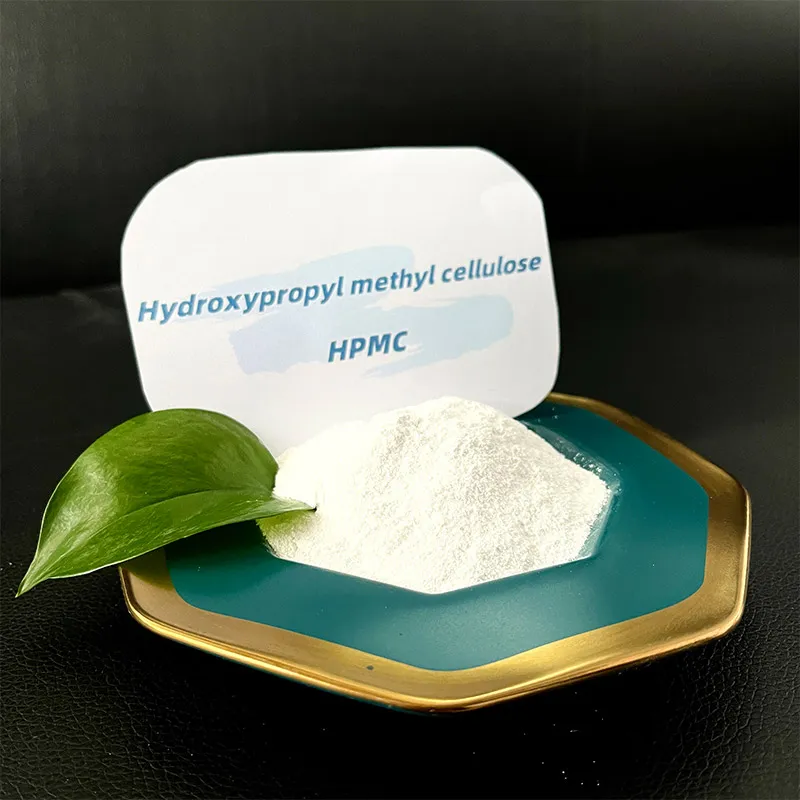
HPMC (Hydroxypropyl Methylcellulose) là một polymer bán tổng hợp, có khả năng hòa tan trong nước, được sử dụng rộng rãi trong nhiều ngành công nghiệp, bao gồm thực phẩm, dược phẩm, mỹ phẩm và vật liệu xây dựng. Với việc chú trọng vào các tiêu chí E-E-A-T (Experience, Expertise, Authoritativeness, Trustworthiness), bài viết này sẽ cung cấp cái nhìn sâu sắc về các cấp độ (grades) của HPMC và cách chúng có thể đáp ứng nhu cầu của các ngành công nghiệp khác nhau. Một trong những yếu tố quan trọng nhất khi lựa chọn HPMC là sự đa dạng của các cấp độ, mỗi cấp độ được thiết kế để đáp ứng các nhu cầu cụ thể. Các cấp độ của HPMC được phân loại dựa trên độ nhớt, mức độ polymer hóa và thành phần hóa học. Độ nhớt của HPMC có thể dao động từ rất thấp đến rất cao, tương ứng với khả năng tạo độ dày hoặc ổn định của sản phẩm cuối cùng. Khả năng điều chỉnh độ nhớt làm cho HPMC trở thành lựa chọn lý tưởng cho các ứng dụng như chất làm đặc, chất ổn định trong mỹ phẩm, hoặc tá dược trong ngành dược phẩm. Kinh nghiệm sử dụng HPMC trong các ngành công nghiệp cho thấy rằng sự lựa chọn cấp độ phù hợp là cần thiết để tối ưu hóa hiệu suất sản phẩm. Ví dụ, trong ngành dược phẩm, HPMC được đánh giá cao trong việc sản xuất thuốc viên giải phóng theo thời gian. Với các cấp độ có độ nhớt cao, HPMC có thể tạo ra một lớp màng bao bên ngoài viên thuốc, đảm bảo thuốc được phát hành từ từ qua thời gian, cải thiện hiệu quả điều trị và giảm tác dụng phụ. Về mỹ phẩm, HPMC giúp cải thiện độ ổn định và cảm giác trên da của sản phẩm . Các cấp độ HPMC thấp thường được sử dụng trong các sản phẩm dưỡng ẩm và serums để tạo kết cấu mượt mà và dễ thẩm thấu. Sự linh hoạt của HPMC trong việc hình thành các loại gel và dung dịch giúp tăng cường cảm giác mềm mịn khi bôi sản phẩm lên da, tạo ra trải nghiệm người dùng tích cực. HPMC như các cấp Trong xây dựng, HPMC được sử dụng như một phụ gia cải thiện khả năng chống nước và độ bền của vữa. Các cấp độ có độ nhớt cao là lựa chọn hàng đầu trong việc cải thiện những đặc tính này, vì chúng tạo ra một mạng lưới polymer mạnh mẽ, chống thấm và chịu lực tốt. Điều này không chỉ giúp kéo dài tuổi thọ của các công trình xây dựng mà còn giảm thiểu chi phí bảo trì. Sự uy tín và tính chuyên môn khi sử dụng HPMC trên toàn cầu được củng cố qua nhiều nghiên cứu và báo cáo kỹ thuật. Các nhà khoa học và chuyên gia công nghiệp đã tiến hành nhiều thí nghiệm và phân tích để xác nhận tính hiệu quả và an toàn của HPMC ở các cấp độ khác nhau. Sự tin tưởng vào HPMC đến từ việc nó được kiểm nghiệm qua thời gian, và được chấp thuận bởi nhiều cơ quan kiểm định chất lượng quốc tế. Tính đáng tin cậy của HPMC cũng được thể hiện qua khả năng tái tạo và an toàn với môi trường. Được sản xuất từ cellulose thực vật, HPMC không chỉ bền vững mà còn an toàn, không gây nguy hại cho con người và hệ sinh thái. Điều này tạo ra sự hấp dẫn cho các công ty quan tâm đến phát triển bền vững. Có thể thấy, sự thấu hiểu sâu sắc về các cấp độ khác nhau của HPMC và ứng dụng phù hợp không chỉ tăng cường hiệu suất sản phẩm mà còn tạo ra giá trị lâu dài cho cả doanh nghiệp và người tiêu dùng. Sự kết hợp giữa trải nghiệm thực tế và kiến thức chuyên sâu chính là yếu tố quan trọng đưa HPMC trở thành lựa chọn hàng đầu trong nhiều ngành công nghiệp.
-

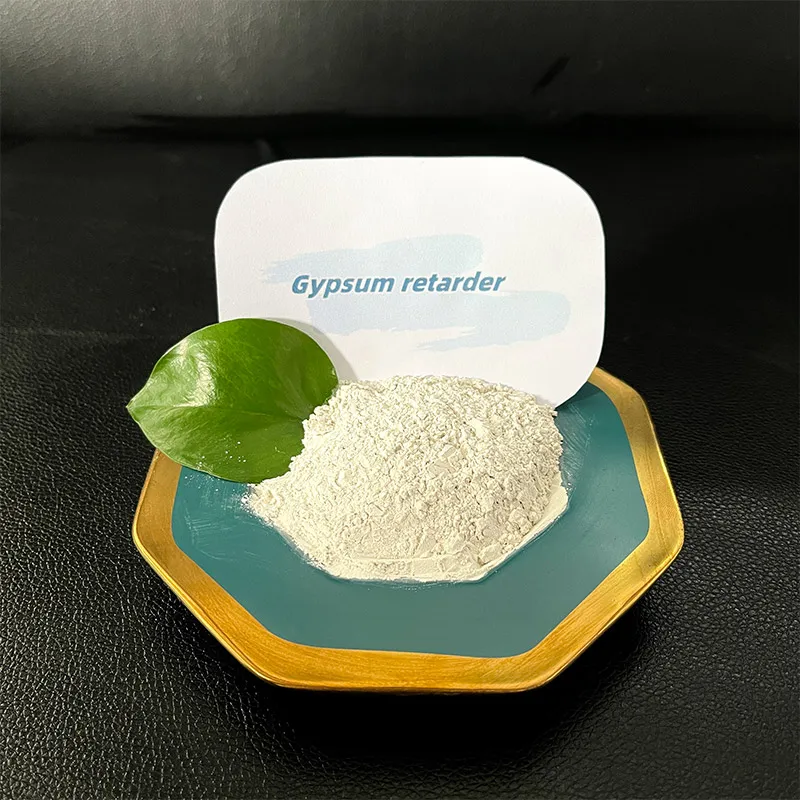
In the construction industry, particularly in plastering, retarder in gypsum plays a crucial role in enhancing the workability and performance of gypsum-based products. A gypsum retarder is an additive that slows down the setting time of gypsum, allowing workers to apply the material more easily and with more flexibility. This becomes particularly useful in large-scale applications, where time management and smooth application are essential for achieving high-quality finishes. The addition of a gypsum retarder not only prevents premature setting but also enhances the material’s usability, making it easier for workers to mix, spread, and smooth out the plaster on walls and ceilings. This is especially beneficial in high-traffic projects or in situations where multiple layers of plaster need to be applied. The retarder in gypsum ensures that the plaster doesn't set too quickly, which could result in uneven surfaces or unfinished work. One of the key advantages of using a gypsum retarder is that it gives professionals the extra time they need to adjust and perfect their work. It allows for consistent results even under tight deadlines or in difficult conditions, which is crucial in construction and renovation projects where precision is key. The Importance of Easy Mix Plaster Retarder for Efficient Workflows An easy mix plaster retarder is an essential tool for any professional working with plaster or gypsum. This type of retarder is specifically designed to simplify the mixing process, enabling workers to achieve the ideal consistency without the stress of rushed drying times. With an easy mix plaster retarder , workers can focus on getting the plaster to the right consistency before it starts setting, resulting in a smoother and more durable finish. What makes an easy mix plaster retarder particularly beneficial is its ability to maintain the material’s workability for extended periods, even in hot weather, which can otherwise cause plaster to set too quickly. By introducing a retarder into the mix, it is possible to maintain optimal plaster consistency and extend working time, ensuring no material is wasted and the application remains flawless. Moreover, the easy mix plaster retarder helps achieve more uniform plaster layers, ensuring consistent thickness and adhesion across the surface. This is particularly important when working on larger surfaces or projects that require more attention to detail, like ornate ceilings or walls with intricate designs. How a Gypsum Retarder Enhances Performance in Plastering Using a gypsum retarder is not just about slowing down the setting time of plaster—it also improves the overall performance of the material in plastering applications. Gypsum, when mixed without a retarder, can harden too quickly, leaving workers with limited time to achieve a smooth and even application. A gypsum retarder allows workers more time to manipulate the material, leading to more precise and even results. In addition to improving the ease of application, a gypsum retarder can also enhance the final appearance of the plaster. It helps to reduce the likelihood of cracking or shrinking during the curing process, which can be caused by the rapid setting of gypsum. By using a gypsum retarder , the material stays workable for longer periods, ensuring a smooth finish that is free of imperfections. This extended working time also gives workers the flexibility to apply multiple coats of plaster without the risk of the first layer setting prematurely. This is especially important in projects that require thicker layers of plaster, such as when leveling uneven walls or creating decorative features. The Advantages of Using Retarders in Gypsum-Based Materials The application of retarder in gypsum offers multiple benefits to both construction professionals and the quality of the final product. The most immediate advantage is the extended working time it provides, which enables workers to achieve a more consistent and high-quality finish. Without a retarder, gypsum can set too quickly, leading to poor application, uneven surfaces, and wasted material. Another advantage of gypsum retarders is that they improve the overall strength and durability of the plaster. When gypsum sets too quickly, it can result in cracks and an uneven texture, which diminishes the overall strength of the wall or surface. By using a gypsum retarder , the material sets gradually, allowing it to form a stronger bond and reducing the likelihood of cracks or weak points in the plaster. Additionally, gypsum retarders can be especially useful in larger projects or those requiring complex designs. The extra working time ensures that workers can complete large areas of plastering without the pressure of fast-setting materials, which is crucial for ensuring consistency and a high-quality finish across the entire surface. What is the Best Time to Use a Retarder in Gypsum? Using a retarder in gypsum is an effective way to extend the working time of plaster and improve the overall quality of the finish. However, it is important to know when and how to use a gypsum retarder for optimal results. For example, it is particularly useful when working in warm environments, as high temperatures can cause gypsum to set too quickly. In these conditions, adding a gypsum retarder will give workers more time to smooth and perfect the plaster without the fear of premature setting. Another scenario where a gypsum retarder is beneficial is when working on intricate plaster designs. These require more time for careful application and finishing, and a retarder can prevent the plaster from hardening before the design is complete. This is crucial for decorative plastering, where precision and smoothness are key. gypsum retarder FAQs What is a gypsum retarder used for? A gypsum retarder is an additive used to slow down the setting time of gypsum-based products. It allows workers to apply and work with the plaster over an extended period, ensuring a smooth and even finish without the material setting too quickly. How does a gypsum retarder affect the drying time? A gypsum retarder extends the drying time of gypsum by delaying the chemical reaction that causes it to set. This gives workers more time to manipulate the material, apply it properly, and achieve a better final result without the pressure of rapid setting. Can a gypsum retarder be used in all types of plastering projects? Yes, a gypsum retarder can be used in most plastering projects where extended working time is needed, such as large-scale applications, intricate designs, or when working in high-temperature environments. It ensures that the plaster remains workable and manageable for longer periods. What is the difference between a gypsum retarder and an easy mix plaster retarder? While both types of retarders slow down the setting time, an easy mix plaster retarder is specifically formulated to simplify the mixing process, making it easier to achieve the right consistency. On the other hand, a gypsum retarder is designed to work specifically with gypsum-based products, improving their overall workability and performance. Are there any downsides to using a gypsum retarder? While gypsum retarders offer many benefits, overuse can lead to a weaker final product or extended curing times. It is important to follow manufacturer guidelines and use the retarder as needed to avoid any potential negative effects on the material’s final strength.
advantages
-

200000 Viscosities
Excellent product
We can produce pure products up to 200,000 viscosities
-

40000 tons
High yield
We don’t stop production all year round, and the annual output can reach 40,000 tons
-

24 hours
Quality service
We provide 24-hours online reception service, welcome to consult at any time
———— Inquiry Form
Schedule A services

-
 hpmc_structure
Oct . 25, 2025
Hydroxypropyl methylcellulose (HPMC) , often celebrated for its multifunctional prowess, is a cellul -
 macro_synthetic_fiber_price
Oct . 25, 2025
Acrylic fiber, a synthetic fiber made from a polymer called polyacrylonitrile, offers unparalleled v -
 lldpe_powder_price
Oct . 25, 2025
Gentamicin with Hydroxypropyl Methylcellulose (HPMC) Eye/Ear Drops A Comprehensive Insight Gentamici


